What is the VDA355 Module?
By NOGIPOWER
June 17th, 2026
26 views
The VDA355 module is a battery module that complies with the dimensional standard set by the German Association of the Automotive Industry (VDA – Verband der Automobilindustrie). Its core physical dimensions are 355mm × 151mm × 108mm (length × width × height). It is widely used in new energy vehicles (NEVs) and energy storage systems.
What is the VDA355 Module?The VDA355 module is a battery module that complies with the dimensional standard set by the German Association of the Automotive Industry (VDA – Verband der Automobilindustrie). Its core physical dimensions are 355mm × 151mm × 108mm (length × width × height). It is widely used in new energy vehicles (NEVs) and energy storage systems.
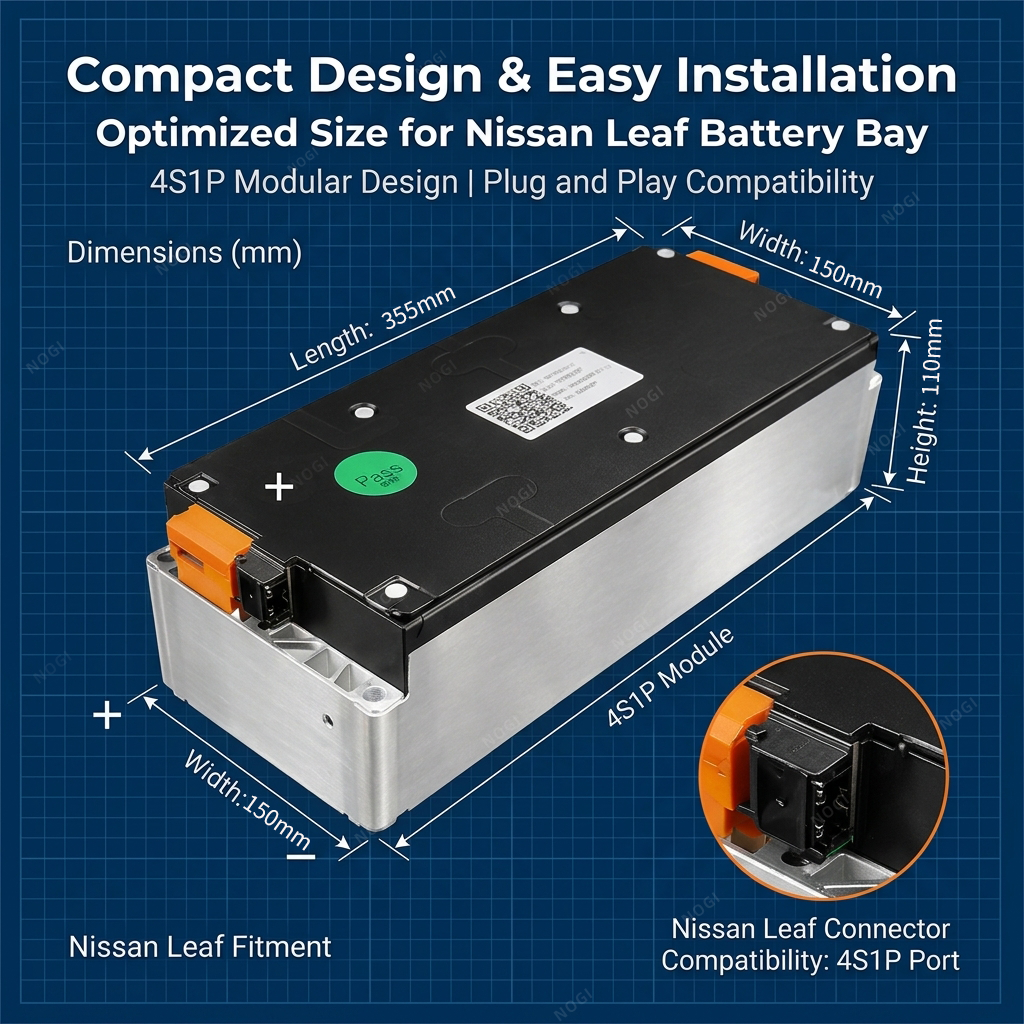 Key Features:Standardized Design: Introduced by the VDA in 2012, this standard aims to unify battery module dimensions across different manufacturers. This enables interchangeability, reduces design and production costs, increases manufacturing efficiency, and simplifies maintenance and replacement. The 355mm length is one of the most mainstream variants, having been widely adopted by brands such as BMW and Volkswagen.Flexible Cell Configuration: The VDA355 serves as a standardized "container" that can accommodate different cell types and connection configurations (series and parallel) to meet varying voltage and capacity requirements. Common configurations include:1P4S (4 cells in series)3P4S / 4P3S (mixed series-parallel connections)1P6S (6 cells in series)Different Cell Chemistries: Depending on the application, the VDA355 module can use different cell chemistries, which significantly affect performance:NCM (Nickel-Cobalt-Manganese) / Ternary Lithium: Offers higher energy density, typically around 150Ah–153Ah with energy density exceeding 240Wh/kg. Preferred for passenger EVs where long driving range is critical.LFP (Lithium Iron Phosphate): Prioritizes safety and long cycle life, with typical capacity around 135Ah. Commonly used in commercial vehicles, buses, and stationary energy storage systems where safety and durability are more important than maximum energy density.Typical Applications:Battery packs for passenger and commercial electric vehiclesGrid-scale and residential energy storage systemsSpecialized applications such as marine vessels and mining equipment
 Why VDA355? Key AdvantagesThe module's wide use is driven by several key benefits :
Standardized Versatility: The consistent 355x151x108mm size allows for easy integration into various systems, reducing design and manufacturing complexity .Customizable Configurations: It can be configured internally (e.g., 1P4S, 1P6S) to meet different voltage and capacity needs .High Performance: Delivers high energy density for extended range, supports fast charging, and offers a long cycle life (e.g., ≥2000 cycles) .Safety & Reliability: Designed with integrated thermal management and safety certifications (e.g., CE, UN38.3) .In essence, the VDA355 module's success stems from its role as a proven, scalable, and reliable building block that meets the diverse energy storage demands of both the current automotive industry and many other modern applications.
How to Check If a VDA355 Module Is New
There is no single test, but a combination of the following checks provides high confidence:
1. Visual Inspection
Housing: Check for scratches, dents, or scuffs. New modules should be pristine.
Terminals: High-voltage busbars and low-voltage connectors should be bright, clean, and free of corrosion or heat marks.
Screws/Seals: Look for signs of tampering, removal, or rework on security screws and sealing glue.
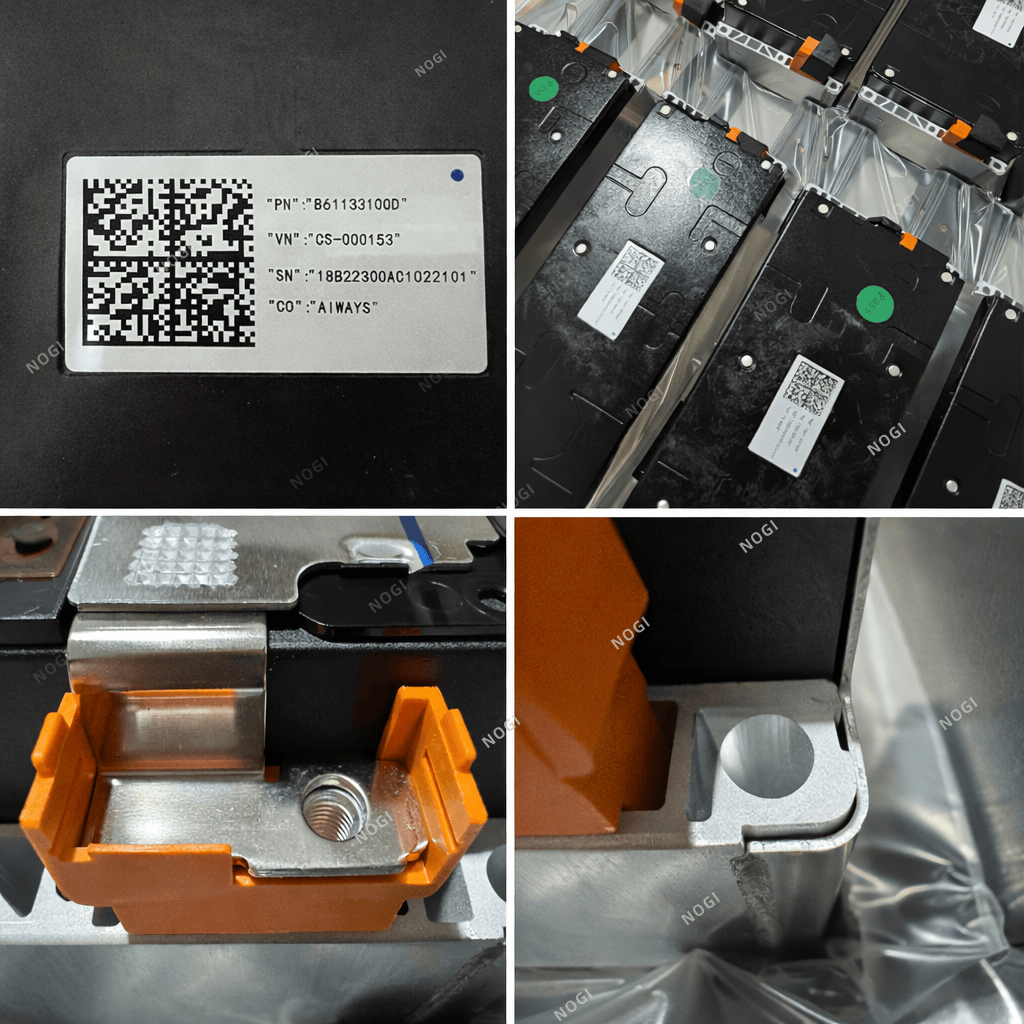
2. Label & Documentation
Date Code: Check the manufacturing date. Even "new" modules that are several years old may have degraded on the shelf.
Serial Number: Verify the unique serial number with the manufacturer to confirm its production history.
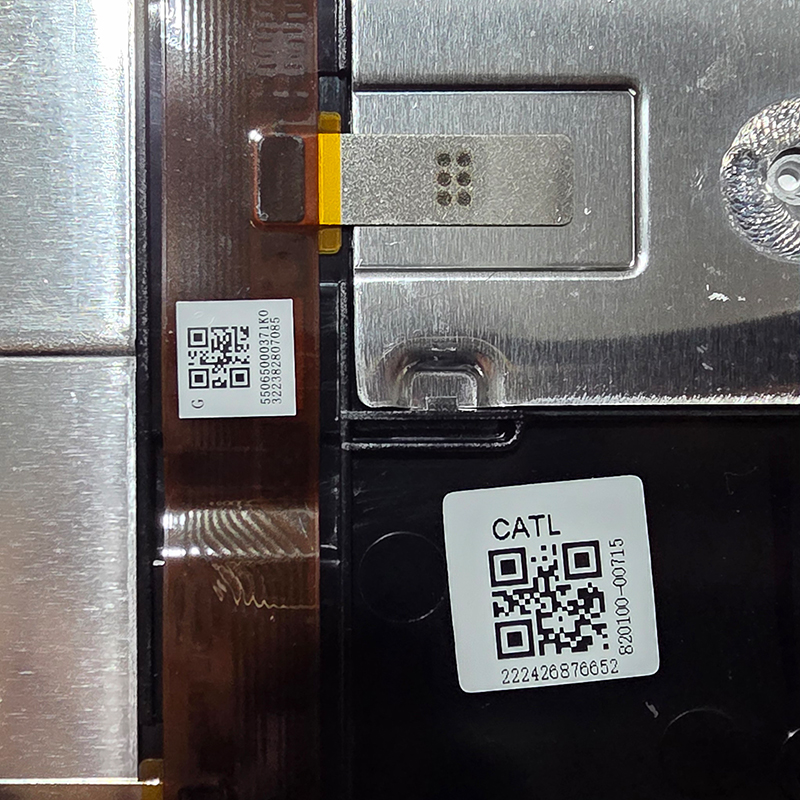
Traceability: The label should have a QR code or data matrix with product number, batch/lot, and serial number (SN).
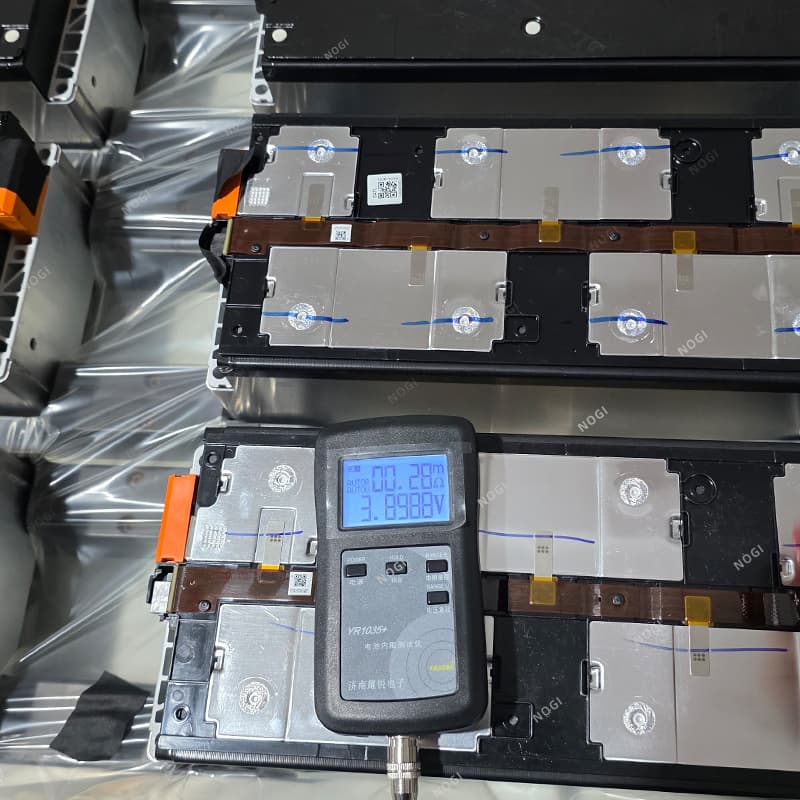
3. Electrical Checks (requires equipment)
Voltage: Measure the open-circuit voltage. It should match the datasheet nominal value (e.g., ~14.68V for a 3P4S 174Ah variant). A significantly lower voltage suggests aging or prior use.
Internal Resistance: Use a resistance meter. New cells have very low internal resistance (e.g., <4.5mΩ for some variants). Higher readings indicate wear.
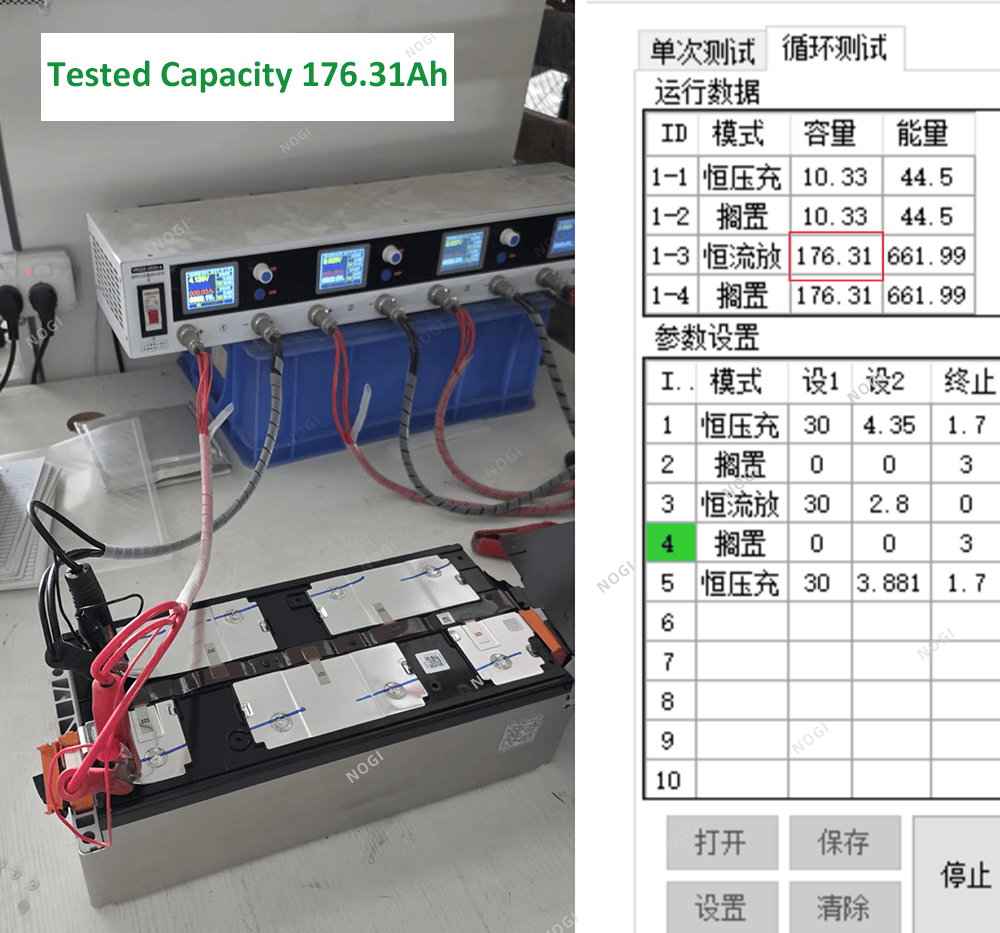
4. For Critical Purchases
Request a capacity test result or the original factory test report from the seller.
A module that passes all these checks—clean appearance, recent manufacturing date, matching voltage, and low resistance—is almost certainly new. For bulk or high-value orders, it is highly recommended to request a factory test report or perform a full capacity verification.
Previous
Advantages, Disadvantages and Applications of LiFePO4 (Lithium Iron Phosphate) Batteries
Read More
Next
Discharge Ratings And Capacity Tradeoffs In Samsung 50s 21700 Cell Procurement
Read More


